Showing posts with label science of nutrition. Show all posts

Wednesday, May 30, 2012


CrossFitters are a smart bunch that ask questions and really seek to understand. This is most evident in the gym as athletes ask how they can deadlift more, run faster, or get a better Fran time. But what about nutrition? Most athletes follow the paleo diet and understand the basic prescription. Other options are the primal approach or zone/paleo.  In order to understand how to best optimize your nutrition we will start at the beginning and consider the basic chemistry of the food we are using to fuel our bodies.  

Macronutrients 


What are macronutrients? According to wikipedia a macronutrient is "the class of chemical compounds humans consume in the largest quantities and which provide bulk energy are carbohydrates, proteins, and fats". For our purposes we are going to limit our consideration to carbohydrates, proteins and fats. We will leave our discussion of micronutrients to a different day.

Carbohydrates are compounds made up of types of sugars. Carbohydrates are classified by their number of sugar units: monosaccharides (such as glucose and fructose), disaccharides (such as sucrose and lactose), oligosaccharides, and polysaccharides (such as starch, glycogen, and cellulose).


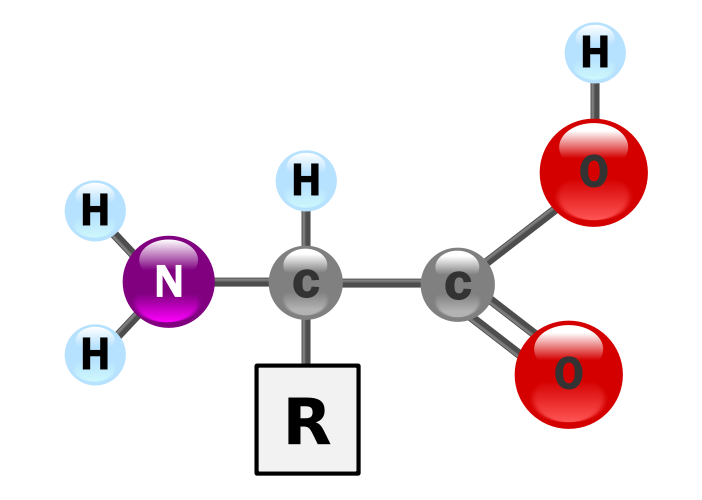
Proteins are organic compounds that consist of the amino acids joined by peptide bonds. The body cannot manufacture some of the amino acids (termed essential amino acids); the diet must supply these. In nutrition, proteins are broken down through digestion by proteases back into free amino acid.

Amino acids are the building blocks of protein.


Fats consist of a glycerin molecule with three fatty acids attached. Fatty acids are unbranched hydrocarbon chains, connected by single bonds alone (saturated fatty acids) or by both double and single bonds (unsaturated fatty acids). Fats are needed to keep cell membranes functioning properly, to insulate body organs against shock, to keep body temperature stable, and to maintain healthy skin and hair. The body does not manufacture certain fatty acids (termed essential fatty acids) and the diet must supply these.


[n]

Sunday, May 13, 2012

Dark Chocolate


Happy Mother's Day!!

Don't worry your chocolate is safe (maybe).  We can sometimes find ourselves strictly labeling whole categories of foods as either good or bad.  In reality many factors impact whether a food is a "good" or "bad" choice.  Take chocolate for example.  If you were to walk into a grocery store today and consider the chocolate selection you would likely find an abundance of choices.  In the following excerpt from The Grassfed Girl we find a thorough chocolate discussion that just might help you to justify that chocolatey treat.  Lets consider all the reasons chocolate can be good for us, what can be bad about chocolate, and how to make the most of your chocolate selection. 

Why dark chocolate can be good for us:

Magnesium: Dr. James Wilson ND discusses chocolate in his landmark book Adrenal Fatigue: The 21st Century Syndrome. He writes about how chocolate cravings are signals of magnesium deficiency and signs of too much stress. Magnesium deficiency affects 70%-90% of people and is involved in over 300 vital bodily processes such as proper digestion and optimal blood pressure. Chocolate has high levels of magnesium but it is hard to absorb because of nutrient inhibitors called phytates. Good food sources of magnesium include seaweed/ sea vegetables, spinach, Swiss chard, turnip greens, halibut, and pumpkin seeds. Natural Calm, my favorite magnesium supplement will help you relax and ease tight muscles. 

Healthy Fats: The main fat in chocolate is called stearic acid which is a saturated fat that has been shown not to raise cholesterol. Saturated fats have been good for us for the past 2.5 million years until 1953 when Professor Ancel Keys told us that this essential food caused heart disease in his 7 countries study which has since been found to be full of holes by many experts. Unfortunately his study is what our national nutrition guidelines are based upon.

High in Antioxidants: Flavanoids that protect blood vessels, improve circulation, and prevent cancer are plentiful in chocolate. Dark chocolate also has Resveratrol which can protect against early aging and Alzheimer’s.

Heart Healthy: In studies dark chocolate has been shown to be anti-inflammatory helping reduce blood pressure and risk of stroke.

Cholesterol: In studies dark chocolate increased Hdl cholesterol. It is important to have a good Hdl to Ldl ratio and and Hdl about 60-80 is excellent. Watch this video about how cholesterol can be good for you. Most of the time high cholesterol is a sign of a excess inflammation in the body usually from food toxins like canola oil, corn oil, soybean oil, grain consumption, or excessive carbohydrate intake.

Fiber: Dark chocolate can have over 10 grams of fiber in a 3.5 oz bar. This can help slow the impact of the carbohydrates and possibly improve digestion. Guidelines tell us to get 30 grams of fiber per day, which is easily attainable from vegetables and small amounts of fruit. Wouldn’t you rather get fiber from chocolate than All-Bran cereal?

Anxiety: Current studies show dark chocolate may even help people suffering from high levels of anxiety to reduce their stress hormone production. 

Aphrodisiac: Theobromine is a stimulant in chocolate that has also been identified as one of the compounds putting us in the mood. Theobromide has similar effects on the body as caffeine and can be overstimulating. 


What to watch out for in chocolate:

Hydrogenated fats: If you buy regular grocery store chocolate like Hershey’s or Nestle you may be eating damaged, cheap omega-6 oils like canola or hydrogenated soybean oil. Always be sure to check to label and pay a little more for good quality.


Lead: It has been found that inexpensive grocery store chocolate can be contaminated with lead. Always get the best chocolate you can afford. See the resources below for quality brands.
High Fructose corn syrup:  This non-food usually comes from genetically modified corn and is sweeter than sugar. It is even more likely than unprocessed sugars to cause inflammation and high triglycerides which are markers for diabetes and cardiac risk. Choose dark organic chocolate to avoid this garbage ingredient.

Sugar: According to Dr. Mike Eades the body can only handle 5 grams of sugar at any one time without causing an insulin spike enough to be considered pre-diabetic. The constant rise and fall of blood sugar will lead to cravings and weight gain. Make sure and buy chocolate that is over 80% dark chocolate which is usually lower in sugar and carbs.

Caffeine: 1.5 oz Dark chocolate contains 25 to 40 mg per serving and can have an impact on a person with adrenal fatigue giving a lift of energy lift leading to a crash later. A regular 8 oz cup of coffee has about 65 mg of caffeine (but who drinks an 8 oz small cup?).  Caffeine from chocolate can enhance the sensitvity of endorphin receptors creating a feeling of dependence.

Soy Lecithin: Comes mostly from genetically modified soybeans which can be a gut irritant especially in people who already have a compromised immune system such as Lupus, MS, Hashimoto’s ect.

Phytates: Cacao is a seed that is high in phytates which can bind to minerals like calcium and magnesium and strip them from the body. We cannot afford this to happen because stress (and grains) already deplete vital minerals leading to disease and osteoporosis.

Oxalates: Some research presents evidence that chocolate can exacerbate kidney stones. It is important drink plenty of water, get plenty of magnesium and avoid sugar prevent kidney stones.

Tannins: Some people react to the tannins in chocolate which can trigger migraines.

Autoimmune reaction: Chocolate can mimic the actions of grains/ gluten flaring autoimmunity and leaky gut. Milk is another common ingredient that can have implications for people with leaky guts and food allergies.
Molds: Cheap chocolates can have toxic molds called aflotoxins that can grow while being stored similar to grains which can cause cancer and inflammation. Some European chocolates have stricter mold regulations according to The Bulletproof Executive like Lindt which also has a commitment to sustainability and fair trade according to their website.

Making the best choice for you:


Choose Organic: Non-organic chocolate production uses pesticides and fertilizers which damage the soil and pollutes our water.
Fair Trade: Unfair trade leads to exploitation of poor communities and child workers. For some ethical organic chocolate try these brands Alter Ego, Theo or Dragoba.

Ask yourself why am I craving chocolate now?
 Maybe you just need a nap or to shut off the computer a little earlier. You may need to supplement with magnesium and to take an Epsom salt bath. You can also get magnesium from bone broth and eating more dark leafy greens. Also you could just be thirsty and need a big glass of filtered lemon water. It can also be a sign that you are just hungry. Try eating a big hunk of fat and protein and see if it goes away.
How much dark chocolate should you eat?
It is important to keep your blood sugar balanced at all times to keep your moods, anxiety and food cravings under control. Eating about 3.5 oz of low sugar, high quality dark chocolate per week would be a good limit to get the benefits but still fit into your pants. 

Look within to find the answer:
If you are someone who can have a few bites of dark chocolate and put it away, it may be fine for you. If it becomes a focal point of your life it may mean that you are lacking in key nutrients like magnesium or anti-oxidants from vegetables or  low glycemic fruit.  Cravings may also mean you have adrenal fatigue issues and need manage your stress by deep breathing, taking walks, stretching, and sleeping earlier/longer.
Can’t stop eating chocolate once you start?
 If you can’t stop eating chocolate is a clue that something is missing from your diet like good fat (from grass fed butter or coconut oil) or enough protein to balance your blood sugar. Always have chocolate with a meal not instead of a meal. 

Sunday, April 22, 2012

Sugar: a "cheat" or a toxin?


As the weekend comes to an end it is possible (or maybe even likely) that you "cheated" over the weekend and had some food item or meal that you would not otherwise eat.  Take  a moment and figure out what made that item a "cheat"? Chances are it was because you considered the item to be calorically inefficient or not an every day occurrence.  If the food item was actually poisonous you wouldn't even consider "cheating" right?   


Robert Lustig, a specialist on pediatric hormone disorders and the leading expert in childhood obesity at the University of California, San Francisco gave a lecture called “Sugar: The Bitter Truth,” which was posted on YouTube It has been viewed well over 800,000 times, gaining new viewers at a rate of about 50,000 per month, fairly remarkable numbers for a 90-minute discussion of the nuances of fructose biochemistry and human physiology.


Lustig goes so far as to assert that sugar "is not just an empty calorie, he says; its effect on us is much more insidious.  "It's not about the calories," he says.  "It has nothing to do with the calories.  It's a poison by itself." Gary Taubes' New York Times article Is Sugar Toxic? noted that "If Lustig is right, then our excessive consumption of sugar is the primary reason that the numbers of obese and diabetic Americans have skyrocketed in the past 30 years. But his argument implies more than that. If Lustig is right, it would mean that sugar is also the likely dietary cause of several other chronic ailments widely considered to be diseases of Western lifestyles — heart disease, hypertension and many common cancers among them."


The sugar discussion reached mainstream media when Sanjay Gupta (of 60 Minutes and CBS News) reported on new research showing that beyond weight gain, sugar can take a serious toll on your health, worsening conditions ranging from heart disease to cancer. Some physicians go so far as to call sugar a toxin. The clip below showcases some interesting studies and helps to further discuss the impact sugar has on us biologically. 


Now that your sugar radar is likely firing overtime.  Here is a list of some of the possible code words for “sugar” which may appear on a label. Hint: the words “syrup”, “sweetener”, and anything ending in “ose” can usually be assumed to be “sugar”. If the label says “no added sugars”, it should not contain any of the following, although the food could contain naturally-occurring sugars (such as lactose in milk)."


Agave NectarBarley Malt SyrupCorn sweetener
Corn syrup, or corn syrup solids
Dehydrated Cane Juice
Dextrin
Dextrose
Fructose
Fruit juice concentrate
Glucose
High-fructose corn syrup
Honey
Invert sugar
Lactose
Maltodextrin
Malt syrup
Maltose
Maple syrup
Molasses
Raw sugar
Rice Syrup
Saccharose
Sorghum or sorghum syrup
Sucrose
Syrup
Treacle
Turbinado Sugar
Xylose
Remember, your body doesn't care what the label says, it's all just "sugar"

Wednesday, April 11, 2012


Good Fat/Bad Fat: Quality Control


So if you are paleo you can eat whatever fat you want and not worry about the quality right? 

WRONG.  

When I first started eating paleo I didn't pay attention to the quality of the foods I was eating.  If it didn't include wheat or gluten I figured I was in the clear.  I was very far from the truth.  We need to be concerned not only with the types of food we are eating but the quality of the food as well.  (Quick shout out to the Lazy Caveman for spending an afternoon with me discussing this topic).  

Lets start our discussion with a look at fat.  Balanced Bites is a great resource with a multitude of information.  The following is an excerpt from their blog discussing safe cooking fats and oils.  Enjoy! 


What are the best fats or oils to use for cooking?


First and foremost let me remind you that there are a few different reasons why you will want to avoidcertain fats and oils for cooking, mainly seed oils.
1. Saturated fats are more STABLE than unsaturated fats. Quite literally, the chemical structure of saturated fats will not be easily damaged by things that will easily damage unsaturated fats, namely heat, light and air. Ever wonder why your high-quality olive oils are sold in a dark green glass or other opaque container? It’s to keep light from damaging the oil. Ever wonder why coconut oil doesn’t go “off” or smell rancid from sitting out on the counter without a lid on it but a vegetable oil like corn or soybean oil will? Air oxidizes those oils and makes them rancid. That is, damaged beyond the point that they are already just from the point of bottling. What separates the saturated fats from the unsaturated fats is the presence of a hydrogen bond at every instance of a carbon in the chemical structure of the fat. When there is a double bond in the chain of carbons, it creates a more unstable structure, which you can see when a fat is liquid at room temperature: the group of unstable fats together form a liquid versus the group of stable fats together which form a solid or semi-solid.
2. Seed oils are extremely high in monounsaturated fatty acids (MUFAs) and polyunsaturated fatty acids (PUFAs) at varying ratios, all of which are prone to oxidation, PUFAs most significantly. You wouldn’t cook with fish oil, would you? Why would you want to cook with other oils that are very high in PUFAs? Even beyond PUFAs, MUFAs are pretty easy to damage as well (olive oil is very high in MUFAs). Re-read this post for more on why canola and other seed oils all made by expeller and chemical extraction methods are already rancid once they’re bottled as well as this post on how they’re made.
3. BEWARE: Many refined seed oils are marketed as having a high smoke point, therefore making them “ideal” choices for cooking. That’s not really the whole story. A higher smoke point is valid only if the fat or oil is fairly stable to begin with, and it may be useful in determining between two fats which is more ideal to use. That said, simply using the smoke point as a reason why you choose a cooking oil is an ineffective tool and will leave you with an already rancid oil on your hands (most likely, due to how it was initially processed – see links above and the video below on how canola oil is made below) and one that you’ll possibly damage further with the high heat of your skillet.

So, which fats ARE safe and recommended for cooking?

Here is a handy chart for you of common cooking fats & oils ranking them in order of best to worst for cooking (see below). Note that this is not a complete list of every possible fat or oil that exists. Nor is it my comprehensive list ofFats/Oils: Which to Eat & Which to Ditch that you can download here. I will likely update the Ranking of Common Cooking Fats chart as I come across more information or have more resources at my fingertips since some of my usual resources are currently out of reach. What you can do is use the chart as a tool and see where the fat or oil you find may fall within the chart based on it’s fatty acid composition as well as it’s smoke point using resources like the books “Know Your Fats” and “Fats That Heal, Fats That Kill” as well as websites like  http://wikipedia.com/ or others listing fatty acid composition of cooking fats/oils as a resource.
It’s safe to assume, however, that most naturally occurring saturated fats are safe to cook with, while most unsaturated fats (called oils because they are liquid at ambient room temperature) are unsafe to cook with and are most ideal for cold uses if appropriate for consumption at all. Remember that man made trans-fats are never healthy to eat: Crisco, Earth Balance, Smart Balance, Benecol, Margarine, Country Crock, I Can’t Believe It’s Not Butter and the new one claiming to be a coconut product but it actually contains soybean oil… yeah, those are all a “never.”
Before you post a comment asking about this oil or that oil… USE THE RANKING SYSTEM here to figure out where it would fall. Those with the highest percentage of saturated fatty acids (SFAs) and with the highest smoke point rank at the top while those with the highest percentage of PUFAs and lowest smoke point at the bottom. Then, make the call for yourself whether you want to 1- cook with it, 2- use it cold- or 3- avoid it entirely.


Friday, January 27, 2012

Day Twenty-Six


Here is a great video with Matt Lalonde- Ph.D Harvard University Chemistry and Chemical Biology discussing the science behind the paleo diet.  It is a bit longer but worth the time.  Let me know what you think.  Also thanks for sharing the video Badier, very informative.  


Have a great weekend everyone!